
World of Warcraft (WoW) Retail, with its many catch-up systems and quality-of-life features, can sometimes feel less challenging for experienced players. While Hardcore servers offer permanent death, that extreme can be too much for many. “Ironman-ish Rules” offer a middle ground: self-imposed restrictions that significantly increase difficulty and demand more thoughtful play, but without the finality of permadeath. This guide outlines a set of Ironman-ish rules for WoW Retail, designed to feel fair and engaging, pushing you to strategize, value every decision, and experience the world in a fresh, more challenging way. It’s about finding personal difficulty that makes progression more rewarding and individual achievements more meaningful.
The Core Ironman-ish Principle: No External Help
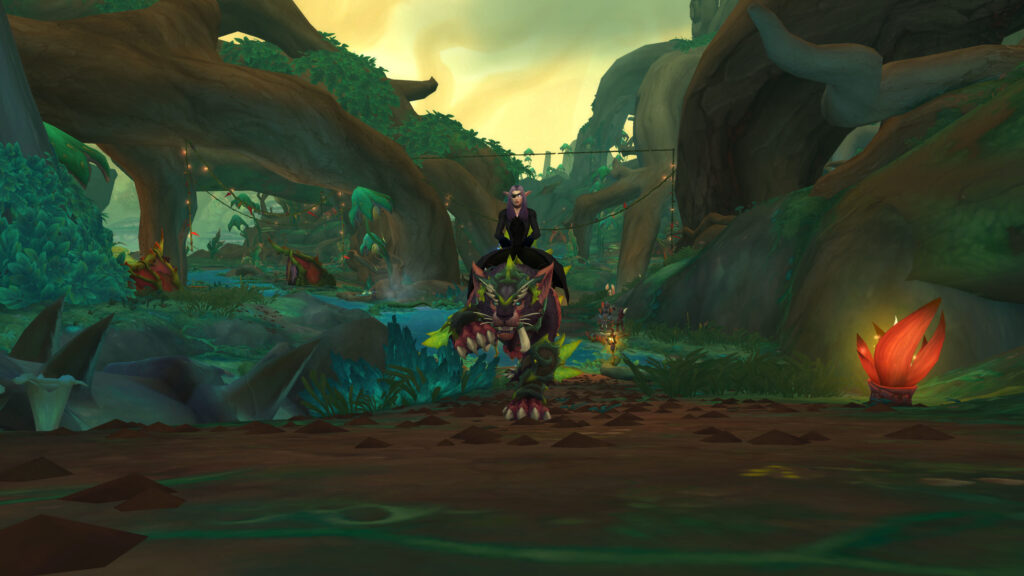
The fundamental rule for Ironman-ish runs is to rely solely on your character’s own efforts. This means no mail from other characters, no auction house (AH) purchases, no trading with other players, and no group content unless explicitly allowed by other rules (and even then, no trading or outside assistance). You only use what you find, craft, or earn directly on that character.
This restriction forces you to engage deeply with questing, gathering professions, and vendor management. Every item you acquire must be earned by your own hand, making each piece of gear, every crafting material, and every bit of gold feel more valuable. It turns the game into a true self-sufficiency challenge, where your survival depends entirely on your own resourcefulness.
Death Penalties: More Than Just a Spirit Rez
While permadeath is too harsh for many, Ironman-ish rules still need meaningful death penalties. A good starting point is a “wipe penalty”: if your character dies, you lose all gold carried, all gear equipped (must be unequipped and put in bank), and cannot use that character for 24 hours (a “banishment”). This makes death a significant setback, forcing careful play without being completely final.
Alternatively, a less severe option could be “level loss”: each death makes you lose a full level, or a percentage of your current experience. This encourages extreme caution and rewards successful navigation of dangerous areas. The key is that dying should have real consequences that make you truly value your character’s life and progression.
| Rule Category | Specific Rule | Impact on Gameplay | Challenge Outcome |
|---|---|---|---|
| Self-Sufficiency | No AH, Mail, Trade, Outside Help. | Relies on own farming/crafting. | Every item earned is valued. |
| Death Penalty | Lose gold/gear, 24hr “banishment” OR Level Loss. | Death has real, significant consequences. | Extremely cautious, strategic play. |
| Gear Restriction | Only quest rewards, drops, self-crafted. No BoE. | Less optimized gear, harder to find upgrades. | Resourceful gear hunting, making do with less. |
| Group Content | No dungeons/raids (Solo Only), OR “No Trade” in groups. | More focus on solo skill, or fair group play. | Highlights individual mastery or ethical grouping. |
| Mounts/Flight Paths | No mounts allowed OR no “free” flight paths. | Slower travel, more environmental awareness. | Deeper world immersion, strategic movement. |
Gear Acquisition Restrictions
To prevent easy gearing, restrict how you acquire gear. Only allow quest rewards, direct monster drops (not from the auction house), and items you craft yourself. No “Bind on Equip” (BoE) items bought from other players. This means you cannot simply buy powerful gear to boost your character, forcing you to rely on what the game gives you.
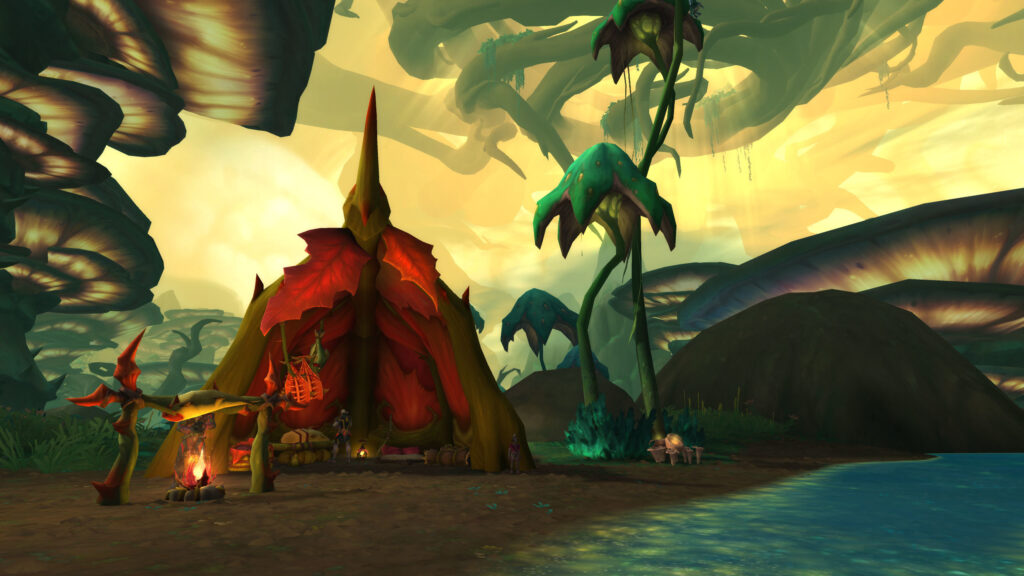
This restriction makes every gear upgrade feel incredibly rewarding, as it was earned through your own efforts. You learn to make do with less-than-optimal gear, adapting your playstyle to its limitations. It encourages exploration and grinding in specific areas to find needed upgrades, bringing back a sense of old-school item hunting.
Limited Group Content Engagement
For a true Ironman-ish feel, limit group content. Option 1: Solo Play Only. No dungeons, raids, or even questing in a group. This makes the game a pure solo journey, demanding complete self-reliance. Option 2: Limited Group Play. You can enter dungeons/raids, but you cannot trade loot with other players, nor can they specifically carry you.
Option 2 allows some social interaction while still maintaining the self-sufficiency spirit. If you play in a group, you must perform your role effectively without any external advantages. Both options significantly increase the challenge, forcing you to master your class and rely on your own skills to overcome obstacles.
Movement Restrictions (No Mounts/Flight Paths)
For an extra layer of difficulty and immersion, consider restricting movement. Option 1: No Mounts (as discussed in the “No Mount Challenge”). All travel is by foot. Option 2: No Flight Paths. You can use mounts, but all travel between zones must be done by running/riding. This makes the world feel vast and dangerous again.
These restrictions slow down progression, but greatly enhance environmental awareness and the sense of adventure. Every journey becomes a potential encounter. It encourages careful planning of routes and a deeper appreciation for the scale and design of Azeroth, making the world itself a more significant part of the challenge.
The Reward of Self-Imposed Mastery
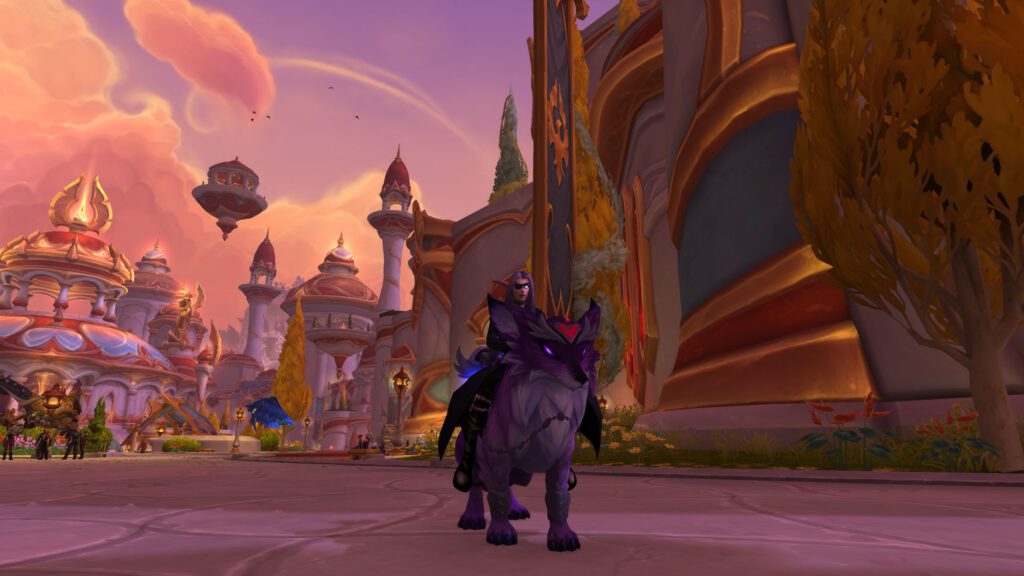
Ironman-ish rules transform WoW Retail into a game of true self-mastery. Every level gained, every boss defeated, and every piece of gear acquired becomes a testament to your skill, patience, and resourcefulness. The game becomes genuinely challenging, and your achievements feel much more meaningful because they were earned under your own strict terms.
This approach combats burnout by offering a fresh, engaging way to experience familiar content. It fosters a deeper connection to your character and the world, making every play session feel purposeful and rewarding. Ironman-ish rules prove that true difficulty often comes from within, turning a comfortable game into a thrilling personal odyssey.